Get Back on the Road With Peace of Mind - Reliable Auto Maintenance
Dependable auto repair is crucial for safe and efficient vehicle operation. A trustworthy shop delivers comprehensive services, from regular inspections to emergency fixes. Understanding when a car needs attention can be difficult. Many drivers struggle with finding reliable repair professionals. Regular maintenance is essential for prolonging a vehicle's life. Yet, the intricacies surrounding pricing and talking to repair technicians can leave one uncertain. What steps can drivers take their vehicles are always road-ready?
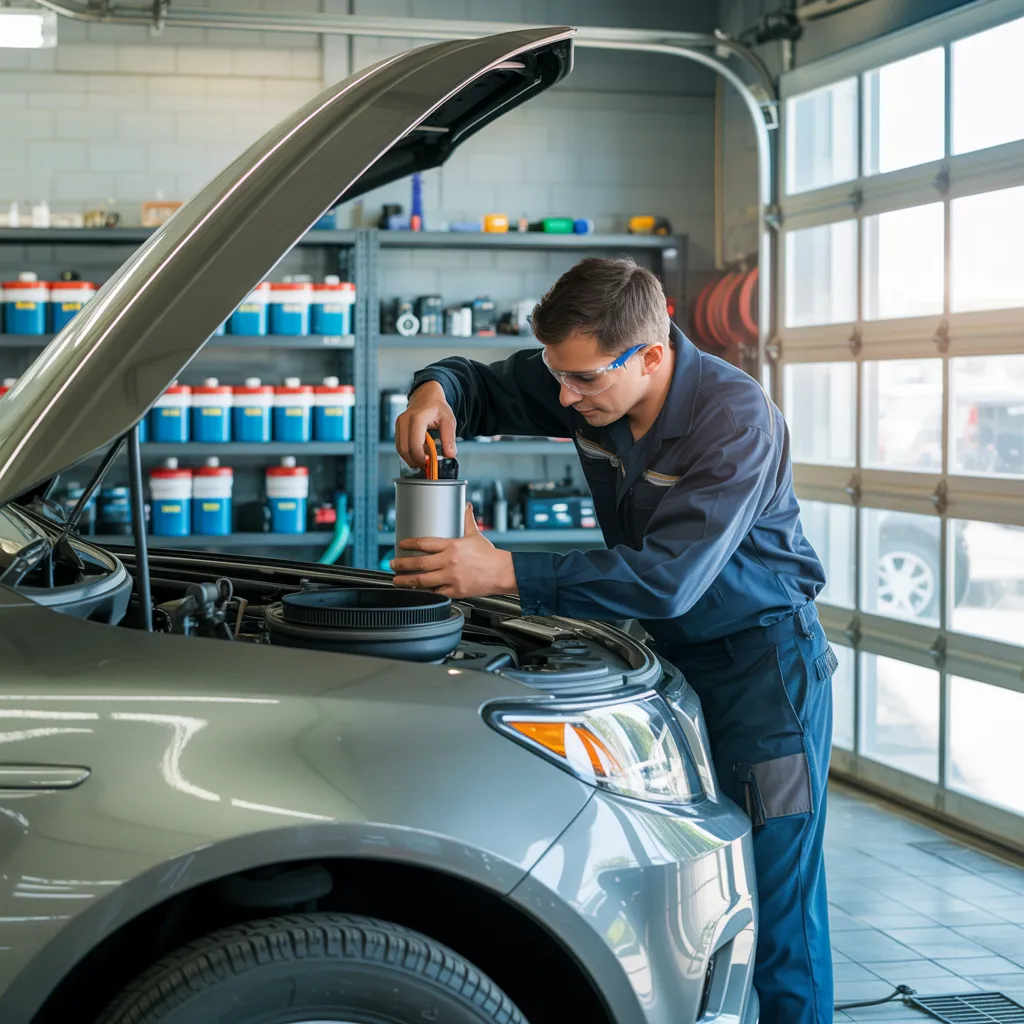
Recognizing When Your Car Needs Maintenance
How can one discover when a vehicle needs servicing? There are various key indicators that show a repair necessity. Unusual noises, such as grinding or squeaking, often point to brake or engine troubles. Warning lights on the dashboard, especially the check engine light, should not be ignored, as they signal potential problems that demand immediate investigation. Moreover, a decrease in performance, such as sluggish acceleration or difficulty starting, can also suggest underlying mechanical issues.
Visual markers, such as fluid leaks or tire wear irregularities, are additional signals that upkeep is necessary. If the vehicle pulls toward one direction while in motion, this could denote alignment troubles or tire issues. Regularly assessing these factors can help ensure timely servicing, avoiding extensive damage and costs in the future. In essence, being observant and forward-thinking is essential for sustaining vehicle health.
How to Locate a Trustworthy Auto Repair Shop
Finding a solid auto repair shop can be difficult for motorists. To start, individuals should ask for advice from contacts, family, or colleagues. Real-world experiences often yield helpful information into a business's quality of service. Online reviews and ratings on platforms like Yelp or Google can assist in measuring patron fulfillment.
Next, validating endorsements and partnerships with established sector bodies, such as the Automotive Service Excellence (ASE), can point to a shop's investment in quality benchmarks. It is advisable to tour likely candidates for an starting consultation, letting clients to assess orderliness, arrangement, and assistance.
Moreover, acquiring documented quotations before any work begins can prevent misunderstandings concerning costs. Finally, a reliable shop should be transparent about its services and inclined to discuss repairs. By following these steps, vehicle owners can raise their chances of finding a reliable auto repair shop.
Why Frequent Car Service Is Important
While many car owners may overlook regular maintenance, consistent car upkeep is crucial for ensuring a car's longevity and peak performance. Skipping upkeep can result in a series of problems, from small hassles to significant breakdowns. Routine checks, such as oil replacements, tire rotations, and brake checks, can prevent costly repairs and improve safety on the road.
In addition, regular maintenance helps sustain a vehicle's fuel efficiency, decreasing overall running expenses. It also protects the selling price; a properly maintained car is often more attractive to potential buyers.
Participating in scheduled maintenance fosters a sense of responsibility among owners, encouraging them to stay informed about their vehicle's needs. By emphasizing regular care, vehicle owners not only protect their investment but also contribute to overall road safety. Ultimately, consistent vehicle maintenance is a proactive approach that advantages both the owner and the broader community.
Grasping Repair Expenses
Deciphering maintenance expenses can often prove bewildering for automobile proprietors. Various considerations shape these outlays, including labor rates, component expenses, and the difficulty of the repair process. Labor expenses fluctuate considerably depending on area and establishment, typically reflecting the mechanic's proficiency and the shop's overhead. Additionally, the choice of components utilized—whether original equipment manufacturer (OEM) or substitute—can substantially determine the overall bill.
Vehicle type and years also contribute to costs; less common or older vehicles may require unique components that are more expensive and harder to source. Moreover, unexpected issues can arise during maintenance work, causing extra expenses that were not foreseen at first. By acquiring general awareness of these factors, vehicle owners can address repair assessments with greater confidence and establish well-reasoned conclusions regarding their car-related necessities.
How to Plainly Articulate Car Problems to Your Mechanic
Communicating car issues clearly to a technician can significantly improve the assessment and restoration procedure. When describing problems, car drivers should be specific about indicators, such as strange sounds, shaking, or dashboard alerts. Providing information on when the problem happens—whether during acceleration, braking, or sitting idle—can also support the technician identify the problem.
It is significant to identify any latest modifications in driving behavior or maintenance history. Utilizing simple, plain language avoids vagueness, allowing the mechanic to understand the situation better. Vehicle operators should abstain from using industry terminology unless they are assured in its interpretation.
In addition, presenting evidence, like service records or previous repair invoices, can deliver context. A specific description not only quickens swift diagnosis but also encourages a teamwork approach between the car owner and the mechanic, ultimately achieving effective repairs.
Creating a Durable Partnership With Your Auto Repair Shop
Establishing a long-term relationship with an auto repair shop relies on trust and honesty. Reliable high-quality service strengthens this connection, while clear communication lines ensure that clients feel listened to and appreciated. Together, these factors establish a partnership that benefits both the client and the mechanic.
Establish Reliability Through Clear Communication
When clients feel educated about the services their vehicles require, trust naturally emerges between them and their auto repair shop. Transparency in communication is key; it allows clients to understand the motivation behind recommended repairs and maintenance. Auto repair shops that provide in-depth explanations, precise estimates, and open dialogues promote a sense of confidence among their clientele. This openness not only clarifies the repair process but also empowers customers to make well-informed decisions. Additionally, sharing information about the shop’s qualifications, warranties, and service history improves credibility. By focusing on transparency, auto repair shops can nurture lasting relationships, encouraging customer loyalty and retention. Ultimately, trust through transparency enables a more positive and trustworthy auto repair experience.
Consistent Quality Service
Consistent reliable service is the foundation of a long-term partnership between customers and their vehicle repair center. When customers receive reliable and efficient repairs, they are more likely to return for future maintenance. This trustworthiness fosters trust, allowing customers to feel confident in the expertise of the technicians. Over time, as customers witness the same excellent quality being upheld, a sense of dedication develops. Quality checks carried out regularly and adherence to industry standards guarantee that vehicles are not only repaired but also maintained to prevent future issues. Such dedication to excellence creates an environment where customers are appreciated, knowing their vehicles are in competent hands. Ultimately, this commitment to consistent quality service strengthens the tie between auto repair shops and their clientele.
Develop Exchange Lines
Effective interchange serves as an vital bridge between customers and their auto repair shops, enhancing confidence and understanding. Transparent communication pathways establish a collaborative environment where patrons feel valued and informed. When repair shops deliver lucid explanations about services, expenses, and timelines, customers can make better decisions about their automobiles. Regular communications during repairs can ease anxiety and forge confidence in the shop's proficiency. Conversely, customers who voice their concerns and desires participate in to a more tailored engagement. This reciprocal exchange not only strengthens relationships but also encourages allegiance. By prioritizing transparent interchange, auto repair shops can establish a name for trustworthiness, ensuring that customers return for subsequent requirements, certain in the labor they will experience.
Frequently Answered Questions
What Must I Do if My Car Stops Suddenly?
If a vehicle stops working unexpectedly, the driver should carefully move to the side of the road, turn on hazard lights, assess the situation, and seek roadside assistance or a tow service if needed. Staying calm is important.
How Can I Figure Out if a Mechanic Is Reputable?
To establish a mechanic's reliability, one should examine reviews, obtain recommendations, verify qualifications, and ensure transparency in costs. A reliable technician will communicate clearly and supply detailed explanations of required maintenance and solutions.
Do vehicle repair warranties available?
Most auto repair shops offer warranties on their work and components, typically spanning 90 days to several years. Customers should inquire about specific terms and conditions to ensure adequate coverage for their repairs.
What Materials Should I Store in My Car for Critical Moments?
A well-prepared car should include a spare tire, jack, jumper cables, flashlight, first aid kit, basic tools, and tire explanation pressure gauge. These critical items help guarantee safety and resolve minor issues during unexpected emergencies on the road.
What Can I Do to Prepare My Car for Seasonal Changes?
To make ready a car for seasonal changes, one should verify liquid amounts, inspect tires for tread and pressure, test the power source, change wipers, and make sure lights function properly for best safety and operation.